
A developer in 2020 spent a week building an internal approvals tool. In 2026, the same tool can be described in two paragraphs, drafted by an AI agent in an afternoon, and reviewed by a human before lunch the next day. The hard part of software is no longer typing it. It is deciding what to build and checking that it works.
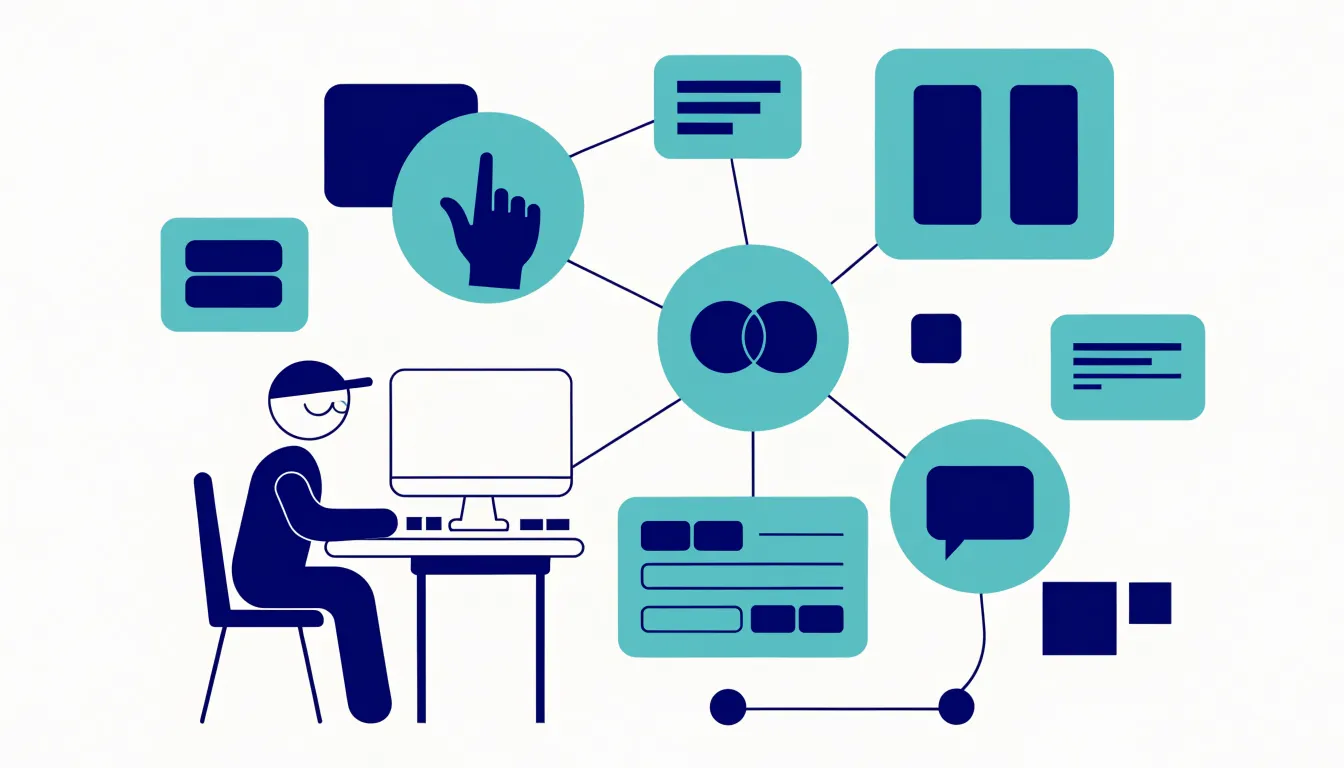
This shift is bigger than autocomplete. AI agents plan steps, call tools, write and test code, and act on business systems. Here is what that means for how applications, workflows, internal tools and business software get made, and where the hype runs ahead of reality.
The short answer
AI agents are changing software development in three ways: they write and modify code, they replace some code with natural-language instructions, and they let non-developers build working tools. Humans still own requirements, review and accountability.
From writing code to directing it
The adoption numbers are hard to ignore. In the Stack Overflow 2025 Developer Survey, more than 49,000 developers from 177 countries responded, and 84% said they use or plan to use AI tools, up from 76% the year before. Around 31% already use AI agents, and 69% of those who used agents at work reported a productivity increase.
The same survey carries a warning: 46% of developers said they do not trust the accuracy of AI output, up from 31% a year earlier. People use these tools heavily and still verify them. That is a healthy instinct, and it is the one this article keeps coming back to.
Industry analysts expect the trend to reach business software broadly. Gartner predicted that 40% of enterprise applications would feature task-specific AI agents by 2026, up from less than 5% in 2025.
How the way we build software has evolved
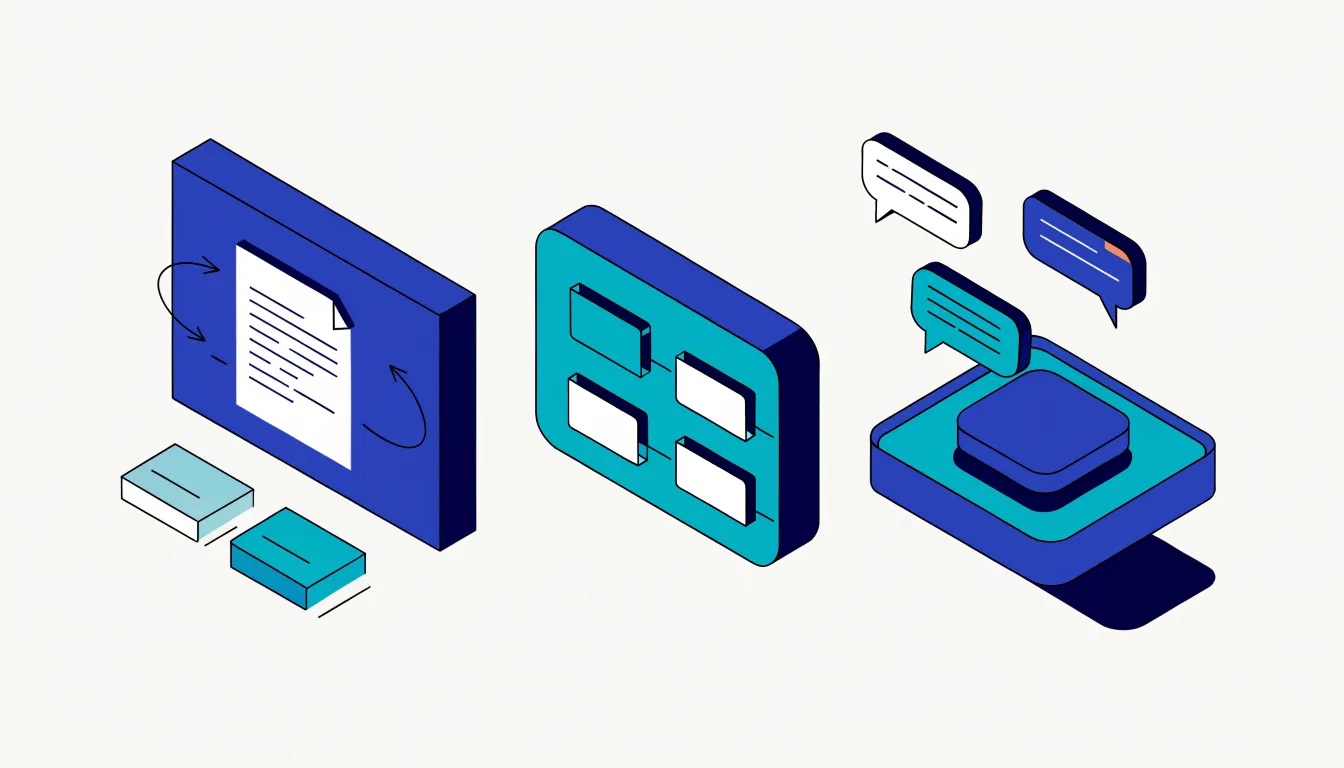
- Hand-written code. Every screen, rule and integration was typed by an engineer.
- Low-code and no-code. Visual builders let more people assemble apps from blocks.
- AI-assisted coding. Autocomplete and chat suggest code that a developer accepts or edits.
- Agentic building. An agent takes a goal, plans, writes, runs tests, fixes errors and proposes a finished change.
Each step does not erase the previous one. It moves the human up a level of abstraction.
What actually changes, area by area
Application development
Agents now handle boilerplate, tests, migrations, refactors and bug triage. The developer's job tilts toward specifying behavior clearly, reading diffs critically and designing systems that are easy to verify. Teams that write precise tickets get far better output than teams that type vague prompts.
Workflows
A workflow used to be a fixed chain of triggers and actions. With an AI step inside, a workflow can classify an email, extract fields from a messy PDF or decide which team should handle a request. If you want the fundamentals first, read What Is an AI Workflow? and How to Build an AI-Powered Workflow Without Coding.
Internal tools
Internal tools are the sweet spot. They have a small audience, clear requirements and forgiving users, and they were historically starved of engineering time. Approval trackers, lightweight CRMs, onboarding checklists and reporting dashboards can now be drafted from a description. See how this looks in practice in Building an AI-Powered CRM With Jeraya.
Business software
The bigger idea is software that does the work instead of only recording it. Our pieces on From SaaS to AI Workers and The Future of Business Software Is Autonomous explore that direction.
A short story: the Monday report
Imagine an operations manager at a ten-person distribution company. Every Monday she copies numbers from three systems into a spreadsheet and emails a summary. She describes the process to an agent: pull yesterday's orders, flag anything late, post a summary to the team channel. The agent drafts the workflow, she tests it on last week's data, spots a wrong rule about weekends and corrects it. Total time: under an hour. The important detail is the last step. She did not trust it blindly, and she did not need to write code either.
The contrarian view: faster code is not the same as better software
Most headlines say agents make developers ten times faster. That framing misses the point. Code was never the only bottleneck. Unclear requirements, messy data, security reviews and change management still take time, and cheaper code can even make things worse by producing more software that nobody maintains.
The winning teams treat generated code as a draft. They invest in tests, small changes and clear ownership, because the cost of checking is now the cost that matters.
Counterarguments worth taking seriously
- "Agents write insecure or wrong code." True sometimes, which is exactly why the 46% distrust figure above matters. Review, tests and least-privilege access are non-negotiable.
- "This will replace developers." Current evidence points to a role shift, not a disappearance: more specifying, reviewing and system design. Entry-level work is changing fastest, and that deserves honest attention.
- "No-code was supposed to do this already." Partly right. The difference now is that the interface is language, which lowers the barrier further, but the need for clear logic remains.
- "Vendor lock-in." A fair concern. Prefer tools that let you export data and inspect what the agent built.
How to start: a practical checklist
- Pick one boring, repeatable process. Weekly reports, lead routing and request intake are ideal.
- Write the process as numbered steps before asking an agent to build it, including edge cases.
- Start read-only. Let the agent draft and recommend before it can send, delete or pay.
- Test on real past data and compare with what a human did.
- Add a human approval step for anything customer-facing or financial.
- Measure time saved and errors caught, then expand to the next process.
If you are choosing between tools, n8n vs Zapier vs AI Agents helps frame the trade-offs, and How AI Agents Are Changing Business Automation covers the operational side.
FAQ
Will AI agents replace software developers?
Not in the near term. They automate a growing share of routine coding, while demand for people who can define problems, review output and design reliable systems remains. The job is changing more than disappearing.
Can non-developers build software with AI agents?
Yes, for many internal tools and workflows. Success depends on describing the process clearly and testing it, not on knowing a programming language.
Is AI-generated code safe to use in production?
It can be, with the same safeguards as any code: code review, automated tests, security scanning and limited permissions.
What is the difference between an AI agent and an AI assistant?
An assistant responds to prompts. An agent pursues a goal across several steps and can use tools. Read AI Agents vs AI Assistants for details.
Where should a small business start?
With one repetitive process and a tool that lets you review every step. See AI Automation for Small Businesses: Where to Start.
The takeaway
AI agents are not making software disappear. They are moving the effort from typing to specifying and verifying. The people and teams who get good at describing problems clearly and checking results rigorously will build faster than everyone else, whether or not they write code. Start small, keep a human in the loop, and let the agent earn more responsibility over time.
Sources: Stack Overflow Developer Survey 2025; Gartner press release, Aug 2025.